


When an aging parent starts needing help at home, families often know something has changed before they know exactly what kind of care is needed.
Maybe your mother is lonely and no longer drives. Maybe your father needs help shopping and preparing meals. Or perhaps bathing, dressing, toileting, and getting around the house are becoming difficult or unsafe.
That is where the difference between companion care vs. personal care becomes important.
Companion care generally focuses on social support, supervision, transportation, errands, meals, and help around the home.
Personal care includes hands-on assistance with activities such as bathing, dressing, grooming, toileting, hygiene, and mobility.
Many older adults need some combination of both.
The goal is not to fit your parent into a label. It is to identify what they can still do safely on their own and where another person needs to help.
What Is Companion Care?
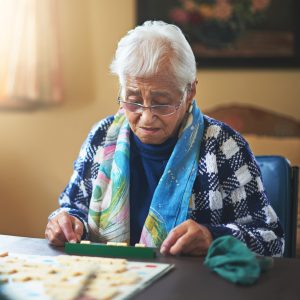
Companion care is generally appropriate for an older adult who remains physically independent with personal tasks but could benefit from regular support, company, and help with everyday routines.
This might include:
- Conversation and social interaction
- Walks
- Grocery shopping
- Errands
- Transportation
- Accompaniment to appointments
- Meal preparation
- Light housekeeping
- Laundry
- Routine reminders
- Recreational activities
- Regular check-ins
For some families, the main concern is isolation.
An older adult may be capable of bathing, dressing, and using the bathroom independently but spend most of the day alone.
Others stop driving and begin depending on family members for every appointment, grocery trip, and errand.
Meal preparation may also become inconsistent even though the senior does not need physical help eating.
In situations like these, companionship and household support may cover many of the needs without requiring significant hands-on personal assistance.
What Is Personal Care?
Personal care becomes more important when an older adult needs physical help taking care of their own body or completing activities of daily living.
This may include assistance with:
- Bathing
- Showering
- Dressing
- Grooming
- Toileting
- Personal hygiene
- Getting in and out of bed
- Walking
- Transfers
- Mobility around the home
The National Institute on Aging identifies bathing, dressing, grooming, using the toilet, eating, and moving around as activities of daily living for which older adults may eventually need assistance.
Families can read more through the National Institute on Aging’s guide to services for older adults living at home.
The important difference is that personal care usually involves more direct physical assistance.
Coast Family Home Care provides in-home personal care that includes bathing, grooming, dressing, toileting, personal hygiene, meal preparation, medication reminders, mobility support, transportation, errands, appointments, and companionship.
Because those services overlap, families should not assume that companion care and personal care always need to be arranged as two completely separate services.
Companion Care vs. Personal Care: The Main Difference
The simplest way to think about the difference is this:
Companion care helps the person with everyday life around them.
Personal care provides hands-on help with the person’s daily self-care.
| Type of Support | Typical Needs | Examples |
| Companion Care | Social support, supervision, household help | Conversation, meals, errands, transportation, walks, appointments |
| Personal Care | Hands-on help with activities of daily living | Bathing, dressing, grooming, toileting, hygiene, mobility |
| Combination | Both social and physical assistance | Bathing followed by breakfast, errands, companionship and meal preparation |
A senior may begin mostly needing companionship and later require personal care as physical abilities change.
Another person may need both from the beginning.
Signs Companion Care May Be Enough
Companion support may be a good starting point when your parent is still able to manage personal care safely but everyday life is becoming harder.
Signs may include:
- Increasing loneliness
- Spending most days alone
- No longer driving
- Difficulty grocery shopping
- Needing transportation to appointments
- Meals becoming inconsistent
- Difficulty keeping up with laundry or light housekeeping
- Forgetting ordinary routines
- Family wanting someone to check in regularly
- Needing company during walks or activities
One useful question is:
Can my parent still safely take care of their own body without another person physically helping?
If the answer is yes, companionship and household assistance may cover much of what is needed.
For example, an older adult may still shower, dress, and use the bathroom independently but need someone several days a week for meals, transportation, errands, and company.
Signs Personal Care May Be Needed
The need changes when your parent starts having difficulty with personal tasks.
Watch for signs such as:
- Difficulty getting into or out of the shower
- Needing help washing certain areas
- Wearing the same clothes repeatedly because dressing is difficult
- Trouble fastening buttons or putting on shoes
- Toileting accidents
- Difficulty cleaning properly after toileting
- Noticeable decline in hygiene
- Trouble getting out of bed
- Difficulty standing from a chair
- Needing physical help while walking
- Falls or near-falls during personal tasks
- Family members physically assisting every day
Families sometimes overlook these problems because they gradually become part of the routine.
A daughter begins helping Mom into the shower.
A husband starts helping his wife get dressed.
Someone begins standing outside the bathroom every time Dad uses it because everyone is worried he may fall.
At that point, the family is already providing personal care even if nobody has called it that.
If several of these changes are occurring, it may also help to review the broader signs a parent may need home care.
Can a Senior Need Both Companion Care and Personal Care?
Yes.
In fact, many older adults need both during the same caregiver visit.
Consider a senior who needs help showering and getting dressed in the morning.
Once those tasks are complete, the caregiver might prepare breakfast, provide a medication reminder, do light housekeeping, go for a walk with the client, or provide transportation to an appointment.
There is no reason to treat those needs as completely unrelated.
A care plan should follow what happens during the person’s actual day.
For example:
Morning:
Help getting out of bed, bathing, dressing, breakfast.
Midday:
Meal preparation, errands, appointment transportation.
Afternoon:
Walk, companionship, light housekeeping.
The mix of personal and companion support can change as the senior’s abilities change.
How Dementia Can Change the Type of Care Needed
Dementia can make the distinction between companionship and personal care less obvious.
A person with memory loss may still physically be capable of showering, dressing, walking, and preparing food.
The problem may be remembering how or when to do those things safely.
Early on, the person may need:
- Reminders
- Cueing
- Regular routines
- Meal support
- Supervision
- Companionship
- Help staying engaged
As dementia progresses, more hands-on help may become necessary.
Bathing, dressing, toileting, eating, and mobility can eventually become difficult without direct assistance.
The National Institute on Aging notes that the ability to complete everyday tasks such as bathing, dressing, and eating changes as Alzheimer’s disease progresses.
Coast Family Home Care also provides dementia home care for families dealing with Alzheimer’s disease and other forms of memory loss.
The care level should be based on what the person can do safely and consistently, not simply on whether they can physically complete a task once.
How to Choose the Right Level of Care
Start with four areas.
1. Activities of Daily Living
Can your parent safely:
- Bathe?
- Dress?
- Use the bathroom?
- Groom themselves?
- Eat?
- Walk?
- Get in and out of bed or a chair?
If physical assistance is needed with several of these tasks, personal care is likely becoming more important.
2. Everyday Household Tasks
Can your parent:
- Prepare meals?
- Shop?
- Do laundry?
- Keep the home reasonably tidy?
- Get to appointments?
- Complete errands?
Difficulty here may point toward companion support or a combination of services.
3. Safety
Ask what happens when nobody else is present.
Can your parent safely remain alone?
Are there falls, memory problems, poor judgment, or mobility concerns?
Is someone regularly calling family for help?
4. Family Availability
Be realistic about how much support relatives can consistently provide.
A schedule should not depend on a daughter leaving work every afternoon or an older spouse physically assisting with bathing and transfers indefinitely.
The larger goal is helping a parent remain independent at home while putting enough help in place to make that independence safe.
What California Families Should Know About Home Care
California distinguishes non-medical home care from medical home health care.
The California Department of Aging states that home care agencies providing non-medical assistance must be licensed by the California Department of Social Services and that home care aides must meet state requirements that include training, criminal background clearance, and tuberculosis examination.
Families can read the state’s information and find resources through the California Department of Aging’s Living at Home & Need Help page.
This is worth checking when comparing agencies.
Ask questions about caregiver screening, what tasks caregivers can provide, how care plans are created, and what happens when the regular caregiver is unavailable.
How Coast Family Home Care Supports Daily Living and Companionship
Coast Family Home Care serves seniors and families in Santa Maria and communities across California’s Central Coast.
Its Personal Care service includes both hands-on daily-living assistance and companionship-type support.
Depending on the client’s needs, caregivers can assist with:
- Bathing
- Dressing
- Grooming
- Toileting
- Personal hygiene
- Mobility
- Meal preparation
- Medication reminders
- Transportation
- Shopping
- Errands
- Walks
- Doctor visits
- Companionship
This is important for families comparing companion care vs. personal care because a parent’s needs do not always fit neatly into one category.
A client may need help showering in the morning and companionship during breakfast.
Another may mainly need transportation and errands now but later need assistance dressing or walking.
The care plan can be based on the person rather than forcing every need into a separate box.
When Companion Care Is No Longer Enough
Companion support may stop being enough when your parent begins requiring regular physical assistance.
Signs include:
- Someone must be present during showers
- Dressing requires hands-on help
- Toileting is becoming difficult
- Transfers are unsafe
- Walking requires physical assistance
- Hygiene is declining
- Falls are occurring during daily activities
- Family members are doing personal-care tasks every day
The change does not need to happen all at once.
A senior might still benefit greatly from companionship while adding personal-care assistance for one or two activities.
The care arrangement can change with the person.
Frequently Asked Questions
What is the difference between companion care and personal care?
Companion care mainly provides social interaction, supervision, transportation, errands, meals, and household support.
Personal care includes hands-on help with daily self-care activities such as bathing, dressing, grooming, toileting, hygiene, and mobility.
Many seniors need a combination of both.
Does companion care include bathing?
Service names can differ between agencies, but hands-on bathing assistance is generally considered personal care rather than companionship alone.
A care plan may still include bathing assistance and companion-type services during the same visit.
Can the same caregiver provide companionship and personal care?
Often, yes.
Many non-medical home care visits include both types of support.
For example, a caregiver may help a client dress, prepare lunch, provide transportation to an appointment, and spend time talking or walking with them during the same visit.
The specific tasks depend on the client’s care plan and the services the agency provides.
Can a companion caregiver take my parent to appointments in California?
Transportation and appointment accompaniment can be part of non-medical home care depending on the agency and the client’s care plan.
Coast Family Home Care lists transportation assistance, doctor visits, shopping, errands, and companionship among the services available through its Personal Care program.
When should a senior move from companion support to personal care?
Look for changes in bathing, dressing, toileting, grooming, hygiene, transfers, and mobility.
If those activities are becoming difficult or unsafe without another person physically assisting, personal care may be appropriate.
The senior may still benefit from companionship at the same time.
The Right Care Depends on What Your Parent Actually Needs
Choosing between companion care and personal care does not need to be complicated.
Start with what your parent can safely do independently.
If the main problems are loneliness, transportation, errands, meals, and help around the home, companion support may cover much of the need.
If bathing, dressing, toileting, hygiene, walking, or transfers require physical assistance, personal care becomes more important.
Many families need both.
If you are unsure what level of help fits your parent, request a free consultation with Coast Family Home Care to discuss their daily routine, safety concerns, and care needs.